Key Tips for Selecting a Trustworthy Auto Repair Shop
Finding a reliable car repair center is critical for maintaining your vehicle and ensuring safety. Several key factors play a role in this choice, from technician certifications explore here to client reviews. Familiarizing yourself with warranty conditions can prevent future complications. Open communication with repair professionals also plays a significant role in achieving satisfactory results. Every factor contributes to the complete experience. What should one prioritize when making this important choice? The guidance below will illuminate your journey to finding a dependable auto repair center.
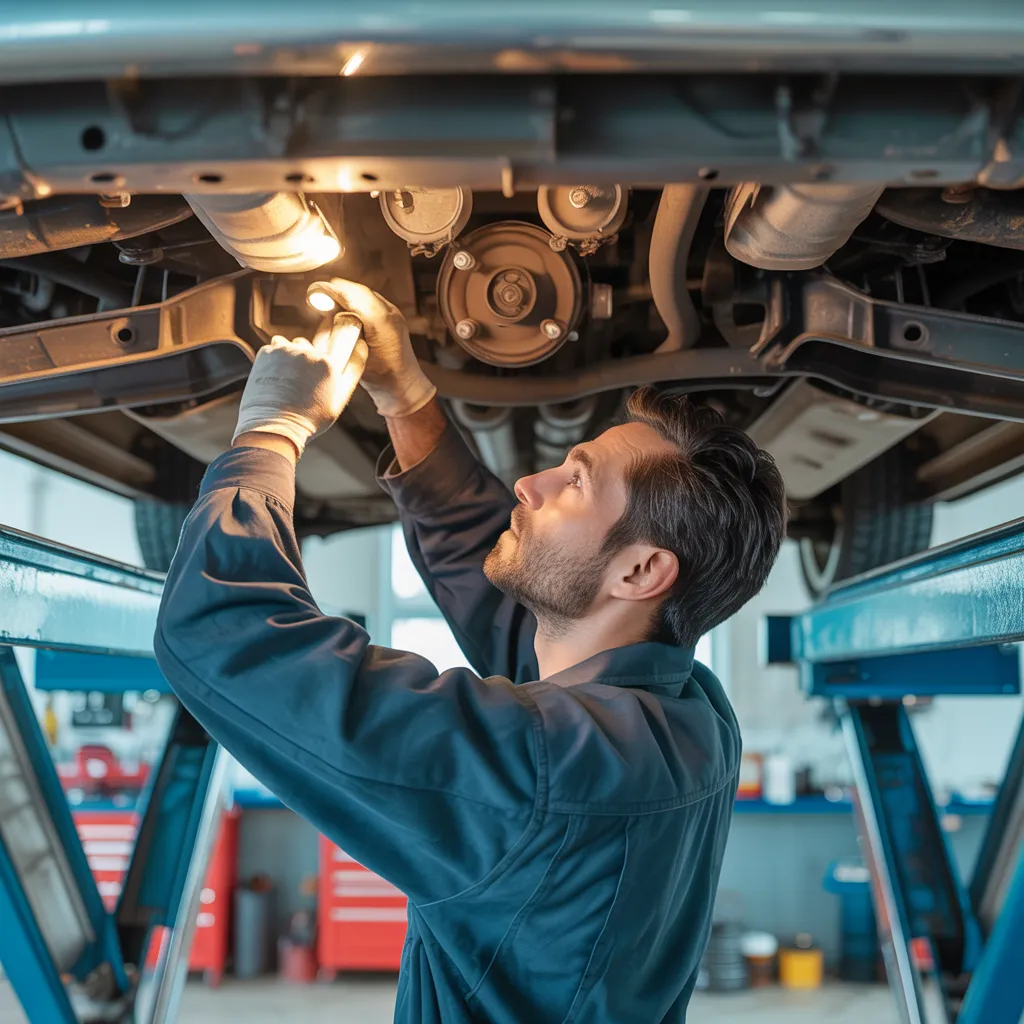
The Importance of Choosing the Right Auto Repair Shop
Choosing the best auto repair shop is critical, as it can greatly impact both vehicle performance and owner peace of mind. A dependable shop confirms that repairs are executed correctly, increasing the longevity and efficiency of the vehicle. Owners who select a reliable establishment often experience fewer breakdowns and reduced repair costs over time, as excellent work minimizes the need for repeat visits.
Furthermore, a dependable auto repair shop cultivates a sense of trust among vehicle owners. Drivers are more inclined to feel assured in their decision, knowing that seasoned technicians are servicing their cars. This confidence can lead to better maintenance practices, ultimately resulting in increased vehicle safety. Moreover, building a relationship with a reputable shop can ease the repair process, providing ready access to knowledgeable counsel and responsive service. In sum, making an informed choice in auto repair can considerably affect both the automobile's condition and the owner's overall satisfaction.
Check for Certifications and Qualifications
When searching for an auto repair shop, it is crucial to examine the certifications and qualifications of the technicians. Certified technicians frequently have advanced training and have showcased their competence through examinations. Common certifications include those from the National Institute for Automotive Service Excellence (ASE), which indicates a strong foundation of knowledge and abilities. Additionally, associations with reputable organizations, such as the Automotive Service Association (ASA), can additionally confirm a shop's adherence to professional standards.
A properly certified technician is more capable of pinpoint issues with precision and execute needed repairs with expertise, which ultimately results in better service and customer satisfaction. Confirming OEM certifications can also guarantee that mechanics are up to date with the latest technologies and repair practices for individual car brands. By emphasizing certifications and technical expertise, vehicle owners can enhance their chances of receiving reliable and effective auto repair services.
Read Customer Reviews for Your Auto Repair Shop
How do customer reviews shape the decision when choosing an auto repair shop? Customer reviews act as helpful indicators of past clients' experiences, offering a window into the level of service provided. Potential customers are able to gauge elements such as reliability, professionalism, and cost through these reviews. Glowing reviews commonly point to a dependable and trustworthy shop, whereas critical feedback may reveal possible concerns.
Furthermore, feedback can uncover service-related patterns, such as consistent wait times or the effectiveness of repairs. Internet platforms and social media channels boost these viewpoints, making it easier to gather diverse opinions. When evaluating an auto repair shop, individuals should consider the total rating in addition to detailed feedback regarding service quality and customer interaction. Such details can direct them to a facility that satisfies their requirements and standards, ultimately ensuring a more satisfactory automotive repair experience.
A Guide to Warranty and Guarantee Policies
Comprehending warranty and guarantee terms is important when selecting an auto repair shop. These policies outline what repairs are protected and the terms under which they function. Understanding the details can help vehicle owners make informed decisions and guarantee peace of mind about their vehicle repairs.
Warranty Coverage Information
Overseeing warranty coverage details can significantly affect the overall satisfaction with an auto repair shop. A thorough understanding of what is covered under warranty can avoid confusion and dissatisfaction. Auto repair shops often provide warranties on parts and labor, but the specifics can vary markedly. Customers should ask about the duration of the warranty, the types of repairs or parts included, and any exceptions that might apply. Moreover, it is important to know whether the warranty is recognized nationwide or restricted to that particular shop. Diligently reviewing these details before proceeding with services guarantees that customers are protected against possible defects or problems. This knowledgeable approach builds trust and improves the overall repair experience.
Terms of Guarantee Described
What do customers need to understand about guarantee terms when choosing an auto repair shop? It is essential to understand the difference between warranties and guarantees. A warranty usually encompasses particular repairs or parts for a defined duration, guaranteeing that should problems occur, the shop will resolve them without additional charges. By comparison, a guarantee frequently represents the shop's pledge to superior craftsmanship, offering satisfaction or reimbursement if the work does not meet expectations. Customers are encouraged to ask about the length, specific coverage, and limitations associated with these policies. Furthermore, they should carefully review the fine print to prevent any confusion. By clarifying these terms, customers can make informed decisions and choose a repair shop that stands behind its work.
How to Effectively Communicate With Your Mechanic
What is the best way to ensure that communication with a mechanic remain clear and productive? To begin, one should describe the vehicle's symptoms in detail. Rather than using unclear descriptions, one should focus on specific issues, including odd sounds or activated warning signals. This helps the mechanic pinpoint the problem more effectively.
Additionally, posing questions is essential. Questioning the repair process, needed parts, and projected timelines helps develop a more thorough understanding. Active listening is also critically important; one should pay attention to the mechanic's explanations and ask for clarification if anything is unclear.
Moreover, it is advantageous to build a relationship with the technician. Fostering trust can lead to enhanced service and more personalized care for the vehicle. To conclude, keeping written records of earlier repairs and service work can strengthen communication by supplying context for existing issues. Clear communication invariably creates a more satisfactory automotive experience.
Compare Estimates and Pricing
A extensive assessment of rates and quotes can uncover considerable differences between auto repair shops. When looking for auto repairs, car owners should collect bids from several shops to assess the prevailing price for needed services. This method not only gives visibility into potential costs but also reveals variations in service offerings.
It is important to evaluate what each estimate includes. Some shops might offer lower prices but skimp on parts quality or labor warranties, while others might charge higher rates for premium service and components. Furthermore, knowing the breakdown of expenses—parts, labor, and any possible additional charges—can help consumers make an informed choice.
Besides the price, reputation and customer service should also be considered. A slightly more expensive shop may provide greater reliability and a more dependable experience. When all is said and done, striking a balance between price, quality, and service reputation secures a more successful outcome for car repairs.
Common Questions and Answers
What Are the Signs That a Shop Is Trustworthy?
A reputable establishment often presents accreditations, offers clear rates, and has excellent customer reviews. Furthermore, a friendly environment with experienced staff can reflect dependability, while clear communication and warranties further strengthen credibility in their offerings.
What Should I Do if I'm Unsatisfied With Repairs?
If dissatisfied with repair work, the person should begin by raising their concerns with the repair shop. If no resolution is reached, seeking a second opinion or contacting consumer protection services may be essential to effectively address the concern.
Are There Certain Red Flags You Should Be Aware Of?
Key red flags to be aware of include lack of certifications, unclear pricing estimates, unresolved workmanship, negative client feedback, unprofessional behavior, and reluctance to provide detailed explanations. These indicators often signify potential issues with the repair shop's reliability.
How Often Should My Vehicle Be Serviced?
Automobiles generally need to be maintained every 5,000 to 7,500 miles or or every six months, whichever comes first. Routine servicing helps guarantee optimal performance, safety, and extended vehicle life, reducing the risk of major repairs and improving your day-to-day driving experience.
Is It Possible to Ask for Old Parts After a Repair?
Yes, clients can inquire about seeing used parts after the repair process. Most reputable shops accommodate such requests, as transparency builds trust. Knowing the state of the old parts can provide reassurance about the level of service delivered.